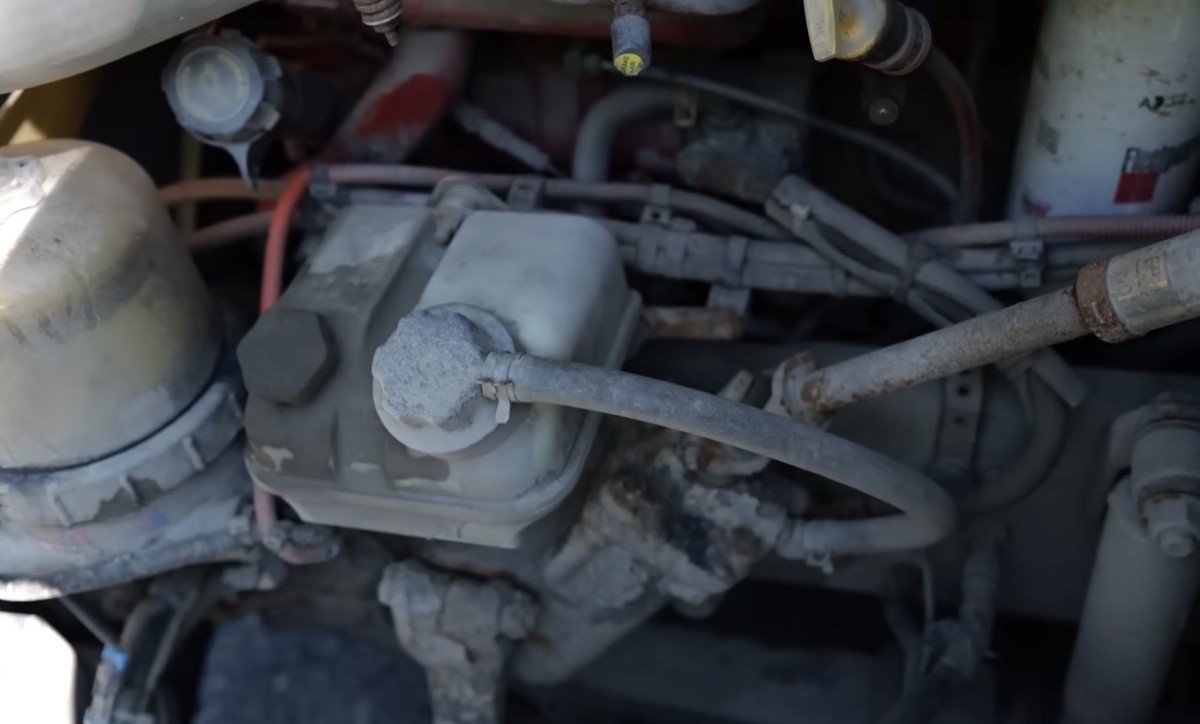
Brake systems, grade grade
Stroke checks, chambers, valves, adjustment, and the honest word on whether this rig should meet that descent today.
Knoxville freight lives with mountains on its dashboard. I-40 and I-75 share the valley, I-81 splits off toward the northeast, and every direction out of town eventually asks your brakes and cooling system a serious question. Mobile Truck & Trailer Repair of Knoxville answers the mechanical half of that conversation, at the yards, the docks, and the pull-offs where the grades collect their toll.
Diesel diagnostics, brake and air work, trailers, tires, electrical, and fleet maintenance, tuned to East Tennessee's geography and its weather moods.
The home territory runs the interstate braid: I-40 through town, I-75 sharing lanes before diving south, I-81 peeling northeast, and the 640 loop moving the pressure around. The freight concentrates in the Forks of the River industrial area, the distribution parks along Lovell Road and toward Alcoa, and the yards feeding the manufacturing spread from Clinton to Maryville.
The grades define the emergencies. Eastbound loads meet the mountains with whatever brakes they brought, and westbound climbs audit cooling systems without mercy. Our positioning and our stock both respect the topography, because out here the map is a mechanical document.
Sevierville-bound tourist freight and the US-129 traffic fill the edges of the range, quoted per call with mountain honesty. If the road bends more than it runs, we already know it, and the window you hear accounts for it.
The four basics: failure, location, cargo, mobility. Plus the grade question when brakes or temperature are involved: where is the truck relative to the next climb or descent. That answer reorders plans out here, and asking it early has saved more than one driver an unplanned adventure.
The verdict comes plain: fixable in place, safe to limp with conditions stated, or bay-bound with the diagnostic done. Mountain country punishes optimism, so we traffic in accuracy instead.
Stroke checks, chambers, valves, adjustment, and the honest word on whether this rig should meet that descent today.
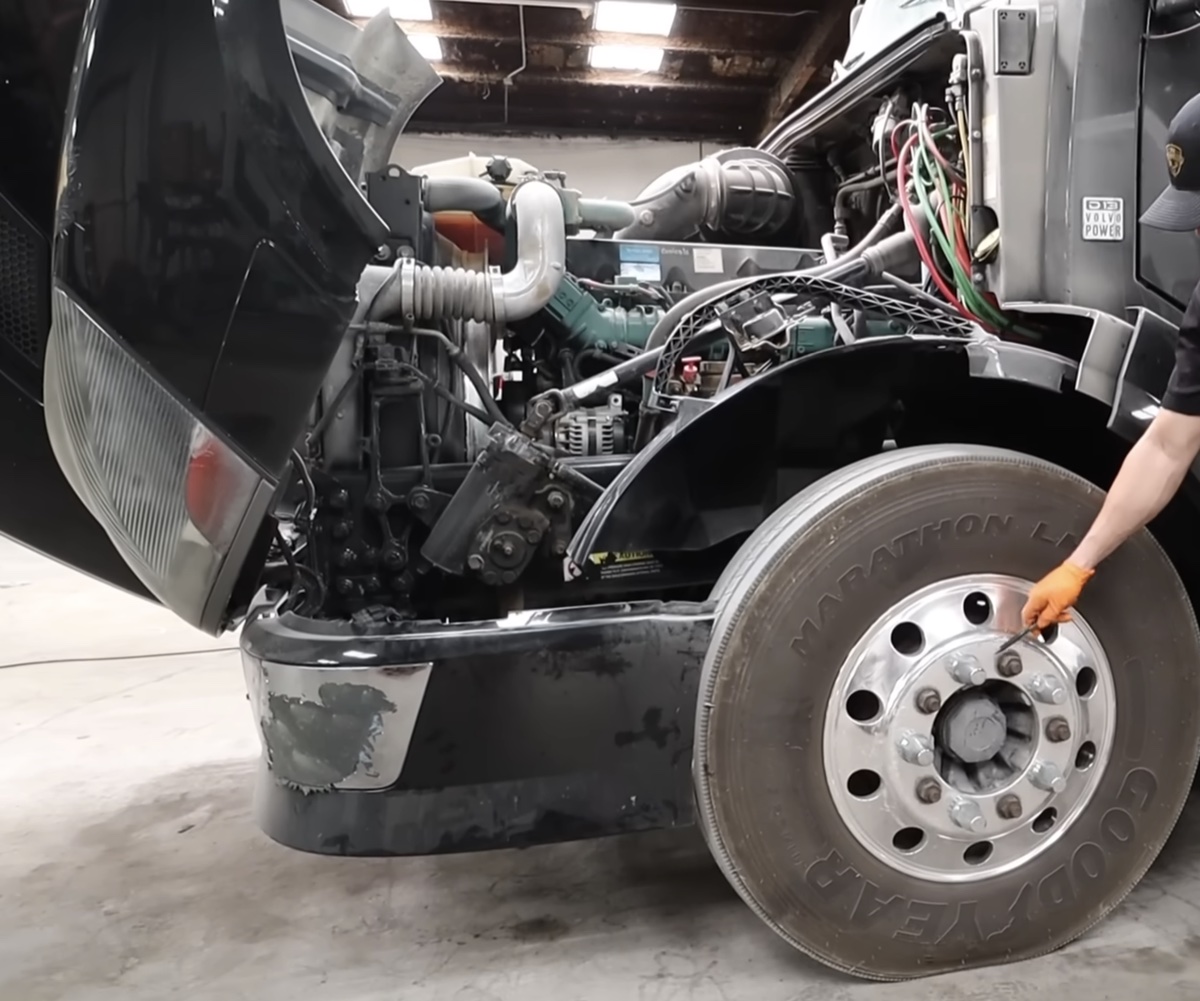
The climb specialty: radiators, hoses, fans, thermostats, tested before the mountain turns a leak into an engine.
The scanner and the meter come out first. Starting, fuel, and charging paths tested where the truck sits, and every part on the invoice earned its place.
Light runs traced, air plumbing sealed, doors and legs made trustworthy, and the tie-down gear the scales actually inspect.
Mountain miles heat tires and grades find their bruises. Changeouts and repairs at the truck, duals matched.
Scheduled yard care with brakes and cooling checked first, because the map says so.
East Tennessee's manufacturing corridor runs materials in and product out on schedules that treat downtime as an insult. Fleet accounts get yard rounds between shifts, per-unit paper trails, and brake-and-cooling attention proportional to the terrain. Long-haul strangers passing through on 40 and 81 get treated like locals, because a stranded stranger on a grade is the whole reason this trade exists.
Every call ends in a decision built for dispatch: cleared, conditional, or referred with the evidence attached.
From the cab and the walk-around:
No. Hot brakes lie about their remaining ability and the next descent will call the bluff. Park it flat, let them cool, and call with where you are. A stroke check costs minutes; trusting cooked brakes costs more.
Both directions, quoted against real miles. The corridor calls get honest windows or honest alternatives, and mile markers make either answer faster.
That cluster is practically an office for us. It is often the smartest rally point for corridor breakdowns that can still limp, and we will tell you when it is.
Weekly rotations for account fleets and same-day response for the rest. The manufacturing corridor is core territory.
Yes. Winch tracks, strap stock, rub rails, and headache racks all get gone through on flatbed calls, because the scales out here treat securement as a contact sport.
The grades do not close and the phone follows suit. Same triage, same honesty, every day the mountains work.
That corridor is a weekly rotation. Materials in, product out, and maintenance planned between shifts so the equipment never has to choose between a route and a repair.
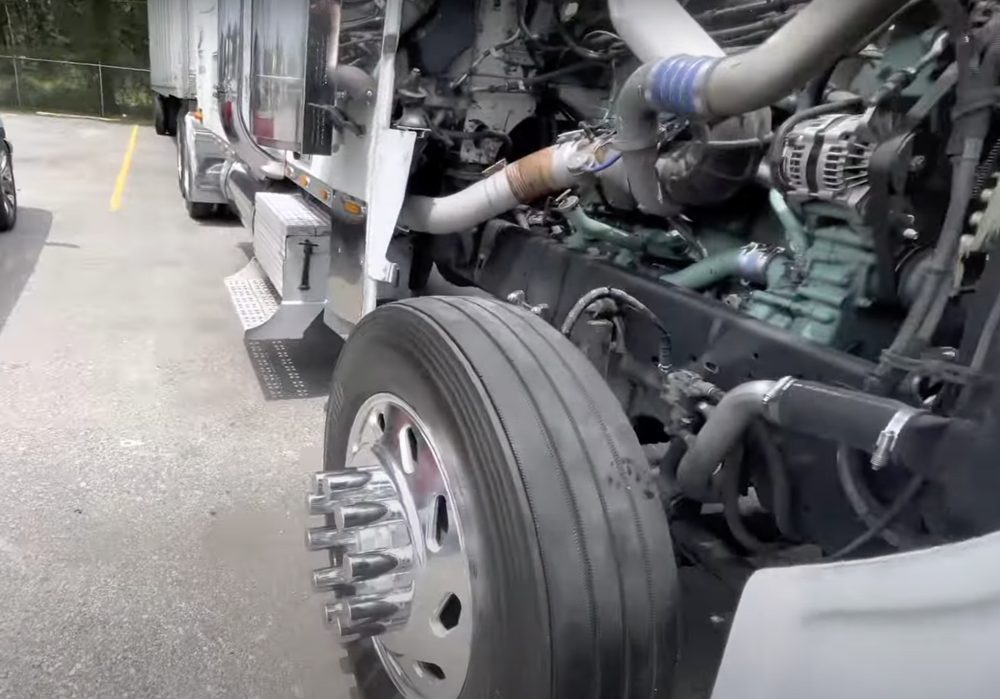
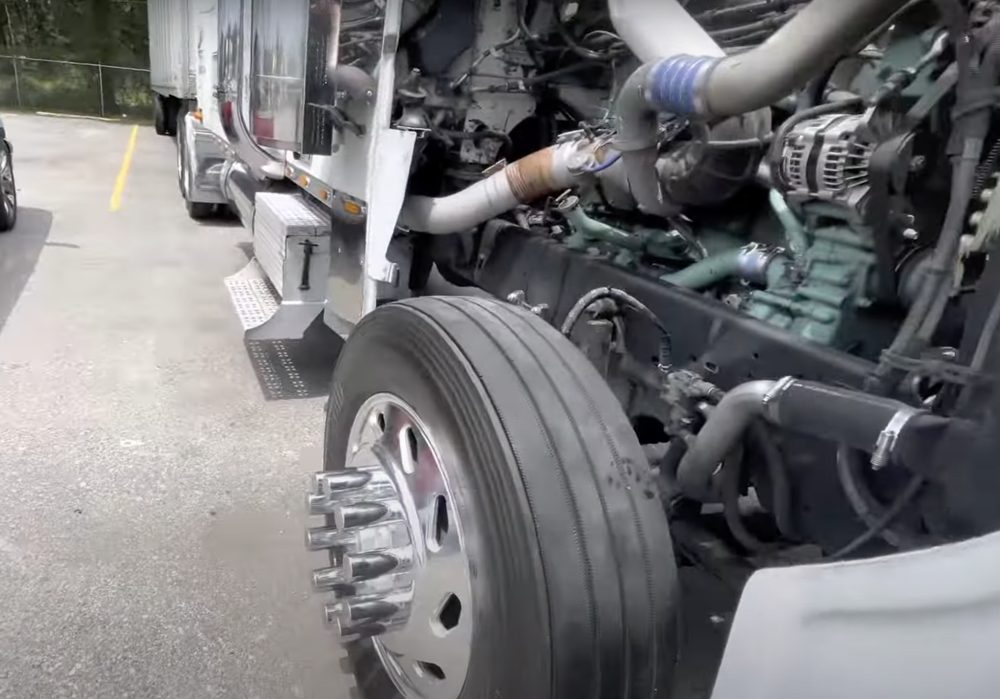
Brakes pay the eastbound toll: descents into and out of this valley find every adjustment nobody made and every chamber past its prime. Cooling systems pay westbound, on the long pulls where a marginal radiator meets July. Our two most common serious calls are exactly those two systems, which is why the service truck carries both in depth and why our fleet rounds check them first.
Weather does the rest: valley fog that hides shoulders at dawn, ice that visits the high sections first and leaves them last, and summer storms that flood a yard fast enough to strand equipment. East Tennessee is beautiful the way working country usually is, from a truck that runs.
The distribution growth along Lovell Road and toward the airport keeps adding fleets that learn the local physics the hard way once, then get on a maintenance rotation. Once is the traditional number. We are trying to bring it down to zero.
Spring storms flood yards and knock power to gate systems. Summer stacks tourist traffic onto working lanes and bakes brakes on the descents. Fall brings harvest and timber surges, and winter salts the high sections while the valley pretends otherwise. Each quarter rewrites our stock list, and the fleets on standing rotations get their maintenance timed to the turn of it. East Tennessee runs on rhythm, and the smart money maintains to it.
If Knoxville is just a waypoint between Nashville and the East Coast, here is the local knowledge worth keeping: the grades east of town are the real event, the fog arrives before dawn likes to admit, and this number reaches a service truck that works those miles daily. Drivers who cross the valley regularly keep it saved, and the ones who used it once keep it forever.
Valley fog is a working hazard with a schedule: it owns the hour before dawn and it hides shoulders, cones, and people. Breakdown calls in that window get extra safety planning by default, and sometimes the honest advice is thirty minutes of patience while the sun does its job. A repair can wait half an hour. The alternative kind of morning cannot be undone.
East Tennessee builds real things on real schedules, and its maintenance culture expects work that holds. Ours does: documented, torqued, tested, and explained, with second visits reserved for new problems. In a valley where everyone knows everyone's dispatcher, reputation is the only advertising that compounds, and we protect ours one boring, durable repair at a time.
Mile marker or yard, failure, cargo, grade position. Verdict, window, technician climbing toward you with the right stock aboard.
Local service detail
Knoxville drivers and dispatchers get clearer help when route access, yard conditions, trailer status, and failure symptoms are explained before the truck is sent out.